


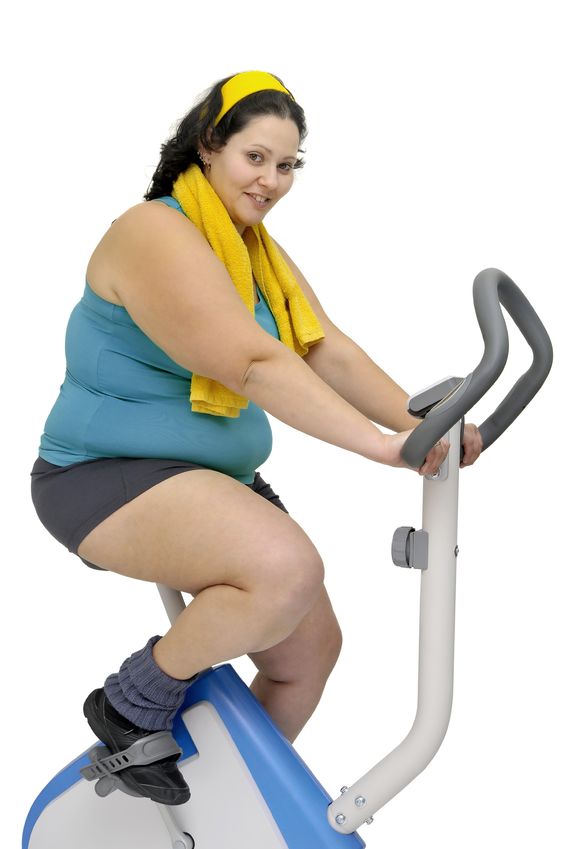
 We all know that the biggest health risk for our population is the rapidly rising obesity rate. An increasingly sedentary lifestyle, longer working hours, and a food-focused culture means obesity is the number one risk. As a result, massive weight loss surgeries are becoming increasingly popular. Join Dr Drielsma as he discusses the different types of bariatric surgery and post-weight loss procedures!
Bariatric Surgery for Massive Weight Loss
Obesity rates have garnered a lot of media attention, especially in the last few years. Shows like “The Biggest Loser” have helped further the trend towards healthier bodies and diet. Further, with obesity now classified as a disease, there has been an increased conversation between doctors and patients about the dangers of obesity. While diet and exercise are the best options for those looking to lose weight, for some individuals a surgical option can aid their weight loss journey. Bariatric surgeons specialise in procedures to install gastric bands and gastric sleeves to help with weight loss. There are a number of different types of bariatric surgery:
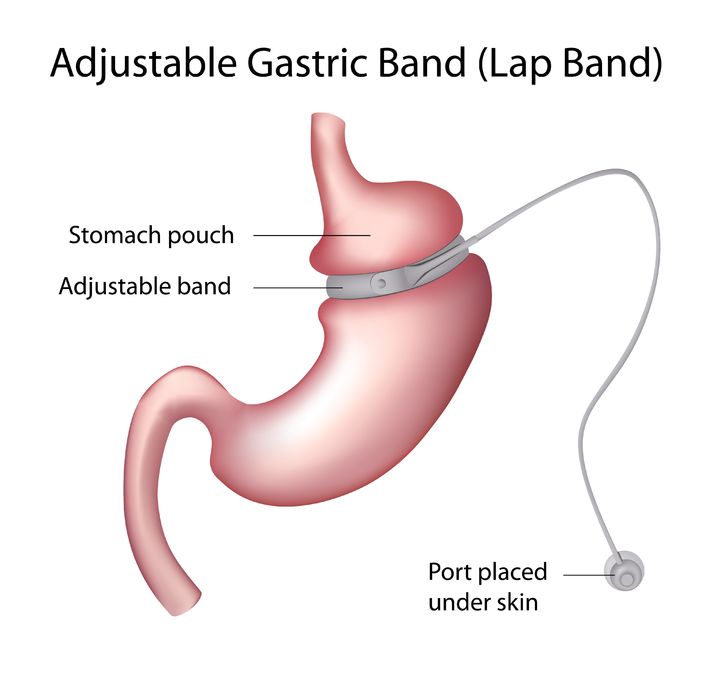 Gastric Lap Band
Lap banding involves placing a small, inflatable silicone band around the upper portion of the stomach. This leaves the rest of the stomach intact. The small pouch created by gastric banding aims to slow down and limit how much food you eat, reducing calories. It is the most non-invasive and can be easily reversed.
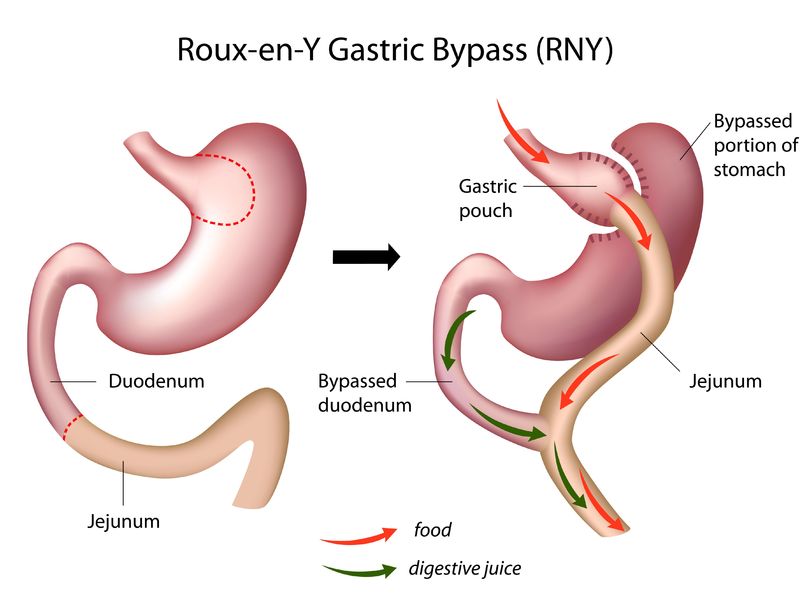 Gastric Bypass
A Bypass – or Roux-en-Y Bypass – splits the stomach into two parts, creating a small pouch. This pouch connects to the small intestines, creating a smaller stomach. The secondary part of the bisected stomach remains healthy as it remains connected to the blood supply. As a result, you still have the option to reverse the procedure after weight loss.
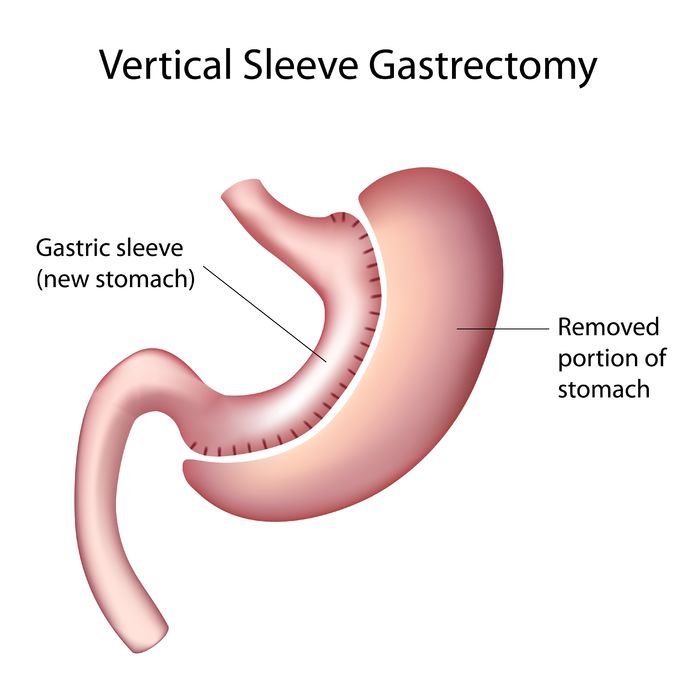
Sleeve Gastrectomy
This procedure involves the surgeon removing approximately 85% of the stomach. The remaining stomach is then stapled or stitched together to create a sleeve shape to reduce how much food your stomach can hold and minimise hunger-inducing hormones. By not bypassing the intestines, vitamin and nutrient absorption is not affected as much.
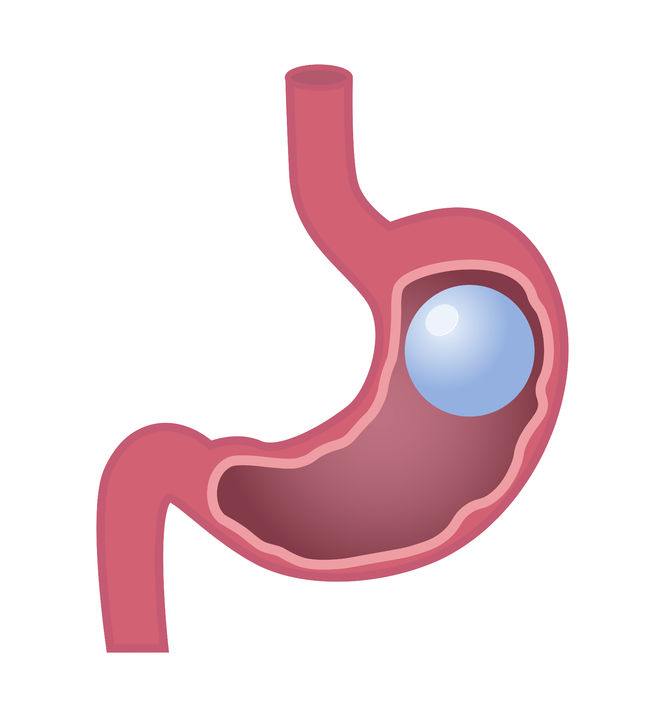 Gastric Balloon
Like Gastric Banding, a Gastric Balloon is a less invasive procedure. A small, silicone balloon is placed in the stomach and inflated to decrease the space for food and digestion. As a result, it creates a feeling of fullness and reduces appetite. The balloon is a temporary solution and only lasts for 6 months. It is best for patients who only need to lose a small amount of weight (around 10-30kg).
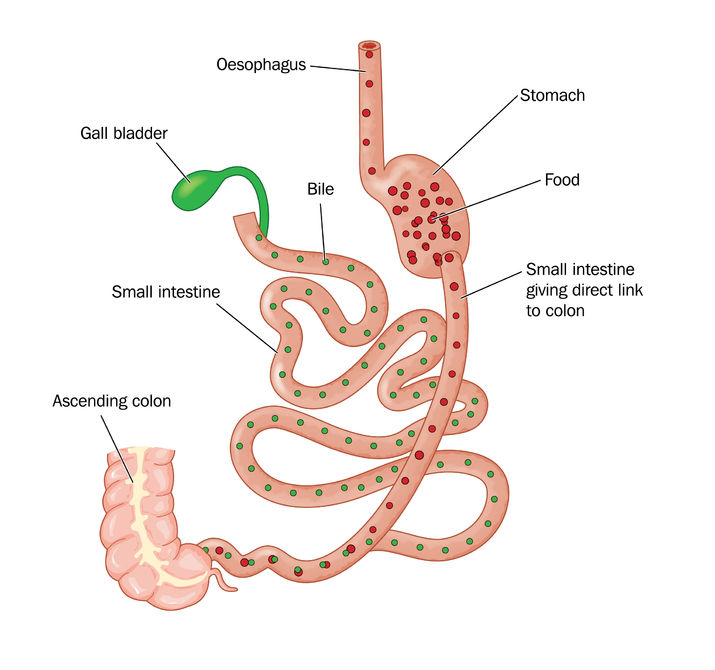 Duodenal Switch
A more serious operation, the duodenal switch reconfigures and re-routes the stomach. Around 85% of the stomach is removed and reshaped similar to a sleeve gastrectomy. This new stomach is then rerouted to the small intestine. It is a lengthy surgery, performed in two stages over 6-12 months. But it does boast the largest, long term weight loss and health improvement of other bariatric procedures.
What Happens After You Lose the Weight?
Many patients believe that bariatric surgery is the only procedure they’ll need to get their ideal body. However, with weight changes, often our skin doesn’t change with our body. This means patients are burdened with everything from large sections of stretch marks that can be prone to skin tears, to excessive skin issues. Further, many patients feel demoralised and dissatisfied with their bodies as excessive skin folds and stretch mark scarring can mask natural body contours and curves.
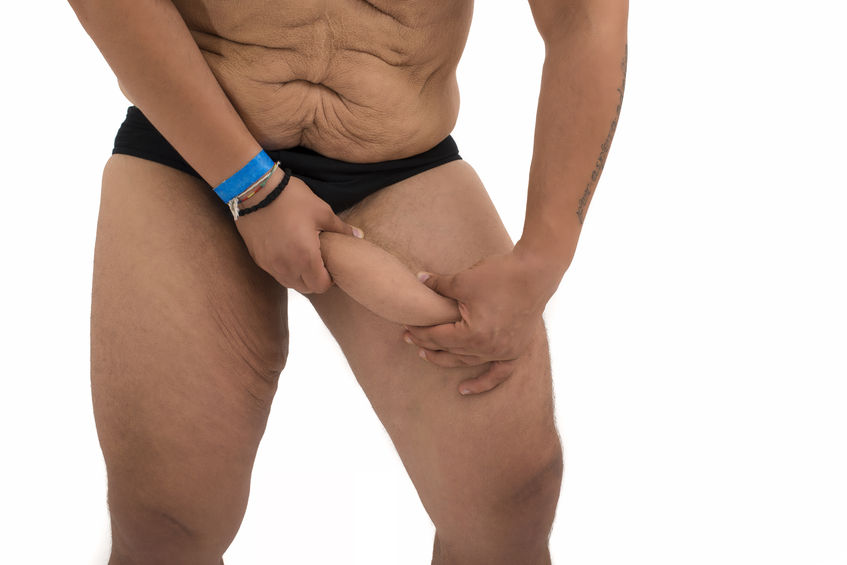
This excess skin doesn’t look attractive or healthy, and can cause issues with the body from skin infections to muscle and joint pain caused by the weight of the excess skin. So it is no surprise that post-weight loss procedures are also rising in popularity.
Post Weight Loss Procedures
There are a number of post significant weight loss procedures that can help patients finally realise their true, natural beauty. These contouring surgeries include body lift, tummy tucks, thigh lifts and arm lifts to deal with excess skin issues. Face surgeries are popular as well, with a wide varieties of face lifts and neck lift procedures to correct excess skin issues.
However, the focus of contouring surgery is not to lose weight but to improve your overall look after weight loss. While this can include removing small pockets of stubborn fat, body contouring is not a replacement for weight loss or weight loss surgery.
 You Need a Qualified Plastic Surgeon
Many patients make the mistake of seeing a general surgeon, or even a general practitioner, for their post weight loss surgery. Unfortunately, these doctors are not trained in the specific requirements of plastic surgery. As a result, many patients experience incomplete – or botched – tummy tuck procedures that do not address underlying issues like torn abdominal muscles.
This is due to the fact that no two people are the same, so no two body contouring journeys are the same. Each person has unique needs for one or more combined procedures and need a highly experienced plastic surgeon who can customise procedures to create the most natural look for a patient.
If you wish to discuss your weight loss journey, or your post-weight loss journey, or find out more on the different types of bariatric surgery? contact Dr Drielsma today for your personalised consultation!
Meet Our Plastic Surgeon

"The best choice a patient
can make is one that leads
to their own happiness"

MBBS, BSc(Med), FRACS
(AHPRA MED 0001073756)
Dr. Robert Drielsma
MBBS (Hons), BSc(Med), FRACS (AHPRA MED 0001073756)
Dr Drielsma is an Australian trained fully qualified Specialist Plastic and Reconstructive surgeon specialising in aesthetic surgery of the face, breasts and body.
His medical degree, (M.B.B.S Hons) was completed with honours at the University of Sydney in 1982. During this time he also completed a Bachelor of Science degree. Dr Drielsma then completed specialist training in both general surgery and plastic surgery in Sydney attaining fellowship of the Royal Australian College of of Surgery (FRACS) in both disciplines. Further training and experience was then attained internationally in London, England and Toronto Canada.
Dr Drielsma commenced his private practice in Canberra and Sydney Australia in 1997. His practice is now based in Bondi Junction, Sydney and incorporates Camden in Sydney’s west, Wagga Wagga and Canberra.
Dr Drielsma is a Fellow of the Royal Australasian College of Surgeons (FRACS), member of the Australasian Society of Plastic Surgeons (ASPS) and member of the Australasian Society of Aesthetic Plastic Surgeons (ASAPS). Dr Drielsma is also board Certified by the Australian and New Zealand Board of Cosmetic Plastic Surgery.


 Book a free 15 min phone chat