


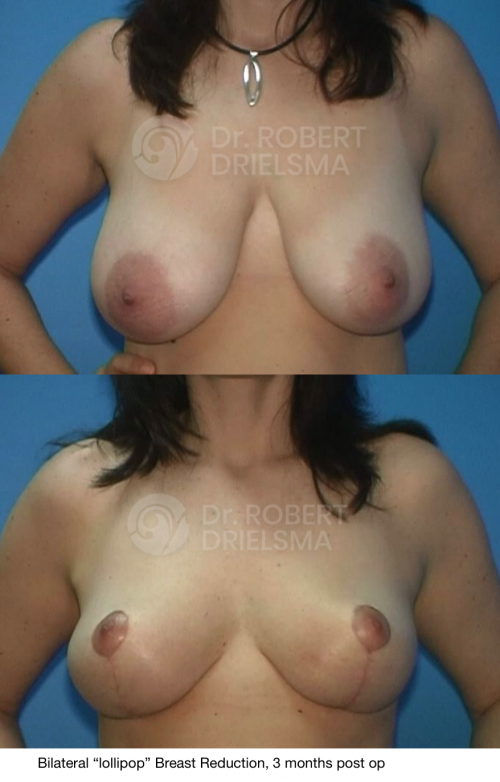
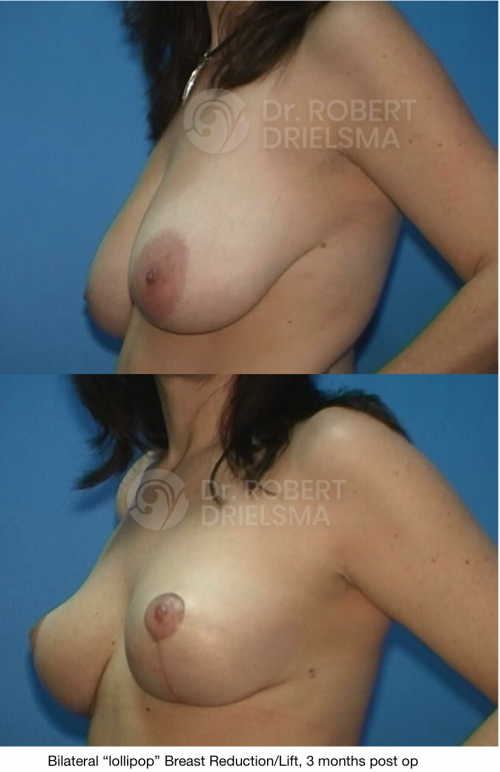
For women with large, heavy breasts, a Breast Reduction procedure can help address concerns such as physical discomfort, posture issues or difficulties with physical activity.
If you’re considering Breast Reduction, there may be some things to prepare for. So here is our list of the 7 important things to consider before undergoing Breast Reduction.
1: You May Need to Lose Weight Before Your Breast Reduction
Because the breast contains a significant amount of fatty tissue, body weight can influence both breast size and shape. Weight fluctuations either before or after surgery can impact surgical outcomes and the long-term appearance of the breasts.
If you are currently overweight, Dr Drielsma may recommend achieving a more suitable weight prior to undergoing Breast Reduction surgery. In some cases, individuals who are actively losing weight may be advised to wait until they reach their target weight and are able to maintain it consistently. Typically for 6 to 12 months before proceeding with surgery.
Significant weight changes after surgery can also affect your results, potentially altering breast size or leading to revision surgery in the future.
2: You Will Need at Least 2 to 3 Weeks Recovery
All surgery requires recovery time, and breast reduction is no different.
Breast Reduction surgery typically requires a recovery period of at least 2 to 3 weeks. During this time, patients can expect to experience swelling, bruising, and a temporary reduction in mobility.
You will need to take adequate time away from work, lifting, bending and strenuous activity. Most people can resume light duties within a few weeks, but activities like gym workouts or heavy lifting are usually avoided for up to 6 weeks, or as advised by Dr Drielsma.
Arranging assistance at home, particularly if you have children or pets can be beneficial during the early recovery phase.
You will also need to wear a post-surgery bra for 4 to 6 weeks, day and night.

3: Breast Reduction Can Impact Your Ability to Breastfeed
Any breast surgery can impact your ability to breastfeed, including Breast Reduction. This is due to the fact that, during the procedure, some breast tissue and glandular structures may be removed or repositioned, which could impact milk production. While some individuals can still breastfeed after surgery, others may find it more difficult or not possible.
If you plan to have children in the future and hope to breastfeed, this is an important topic to discuss with Dr Drielsma. They can help you weigh the timing of surgery based on your personal and family planning goals.
4: Nipple Sensation May Be Altered
There are risks with all types of surgery. In the case of Breast Reduction surgery, this can include temporary or permanent changes in nipple or breast sensation. Some individuals experience numbness or reduced sensitivity, particularly in the early stages of recovery. This may change over time as the nerves heal, but in some cases, changes may be long-lasting.
Dr Drielsma will discuss all potential risks and outcomes during your consultation so that you can make an informed decision.
5: You May Need to Stop Some Medications
Certain medications may need to be adjusted or paused before surgery to reduce risks such as excessive bleeding or delayed healing. This includes medications like blood thinners, anti-inflammatories and some herbal supplements.
It’s important to provide Dr Drielsma with a full list of your current medications, including over the counter and herbal products. They will work with your prescribing doctor if any changes are required.
6: You Will Need to Stop Smoking
Smoking poses significant risks to your overall health and can interfere with both surgery and recovery. It affects heart and lung function, which can increase the risk of complications during and after surgery, including; breathing difficulties, delayed wound healing, and a higher chance of infection. Smoking also reduces blood flow, which can impair the body’s ability to heal and increase the likelihood of pour scarring.
For these reasons, patients are advised to stop smoking well in advance of surgery. Continuing to avoid smoking after the procedure is strongly recommended to optimise recovery and surgical outcomes.
7: Pain and Discomfort After Breast Reduction
Discomfort following Breast Reduction is expected, particularly during the initial days of recovery. Sensations such as tightness, tenderness, and swelling are to be expected. Most people describe the pain as manageable, and effective pain relief options will be discussed with you before surgery.
Your surgical team will provide clear post-operative instructions to support your comfort and recovery. If you have any concerns during the healing process, Dr Drielsma and his staff will be available to assist you.
Book a Consultation
Undergoing Breast Reduction is a personal decision that involves medical, emotional, and practical considerations. A thorough consultation with a qualified specialist plastic surgeon, like Dr Drielsma will help you understand what to expect and whether the procedure is suitable for your individual goals and circumstances.
If you are considering Breast Reduction surgery and would like further information, contact our clinic to schedule a consultation.
Meet Our Plastic Surgeon

"The best choice a patient
can make is one that leads
to their own happiness"

MBBS, BSc(Med), FRACS
(AHPRA MED 0001073756)
Dr. Robert Drielsma
MBBS (Hons), BSc(Med), FRACS (AHPRA MED 0001073756)
Dr Drielsma is an Australian trained fully qualified Specialist Plastic and Reconstructive surgeon specialising in aesthetic surgery of the face, breasts and body.
His medical degree, (M.B.B.S Hons) was completed with honours at the University of Sydney in 1982. During this time he also completed a Bachelor of Science degree. Dr Drielsma then completed specialist training in both general surgery and plastic surgery in Sydney attaining fellowship of the Royal Australian College of of Surgery (FRACS) in both disciplines. Further training and experience was then attained internationally in London, England and Toronto Canada.
Dr Drielsma commenced his private practice in Canberra and Sydney Australia in 1997. His practice is now based in Bondi Junction, Sydney and incorporates Camden in Sydney’s west, Wagga Wagga and Canberra.
Dr Drielsma is a Fellow of the Royal Australasian College of Surgeons (FRACS), member of the Australasian Society of Plastic Surgeons (ASPS) and member of the Australasian Society of Aesthetic Plastic Surgeons (ASAPS). Dr Drielsma is also board Certified by the Australian and New Zealand Board of Cosmetic Plastic Surgery.


 Book a free 15 min phone chat